
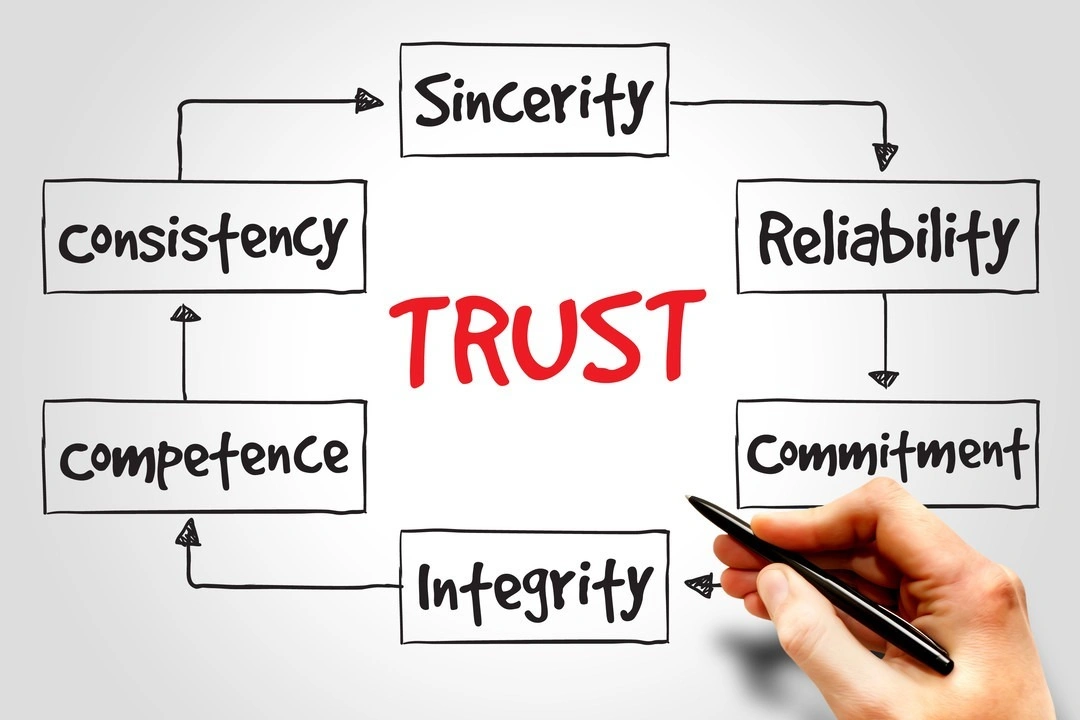

In the competitive world of fintech and banking, credibility is your most valuable currency. This article explores the essential strategies for designing high-trust finance websites that convert cautious visitors into loyal clients — whether you’re serving customers in the United States, Canada, the European Union, or the UAE. We cover branding, security, UX, and compliance specifically tailored for these global markets.
Table of Contents
What Makes a Finance Website Trustworthy?
In finance and FinTech, trust is your most valuable asset. Before someone shares their bank details, invests money, or signs up for your service, they ask one simple question: “Can I trust this company?”
Your website must answer “yes” within seconds.
A trustworthy finance website combines professional design, visible security features, clear communication, fast performance, and proof that real people use and recommend your service.
This guide shows you exactly how to build that trust, step by step.
Why Trust Matters More in Finance Than Other Industries?
According to research by Edelman, 81% of consumers say they must trust a brand before buying from it. In finance, that number is even higher.
When users visit banking websites, investment platforms, or lending apps, they’re evaluating:
- Will my money be safe?
- Is this company real and regulated?
- What happens if something goes wrong?
Without clear trust signals, potential customers leave within 10 seconds and never return.
For FinTech startups and financial brands operating across the US, Canada, the EU, and the UAE, building a credible online presence is not optional. It’s how you compete and survive in markets where customers have dozens of established, regulated alternatives.

The 8 Essential Elements of High-Trust Finance Websites
1. Professional Visual Design and Consistent Branding

First impressions form in 0.05 seconds, according to Google research.
Your website’s visual design immediately signals whether you’re legitimate or questionable.
What works:
- Clean layouts with plenty of white space
- Consistent colours and fonts across every page
- High-quality images (avoid cheap stock photos)
- Simple navigation menus
- Professional logo design
What breaks trust:
- Cluttered pages with too much text
- Bright, flashy colours that feel unprofessional
- Aggressive pop-ups blocking content
- Inconsistent branding between pages
In competitive markets like the US, Canada, the EU, and the UAE, visual credibility matters even more. Users instinctively compare your site to established FinTech brands like Stripe and Wise, and any inconsistency stands out immediately.
Your design should communicate stability, not excitement.
For guidance on building a strong brand identity, visit our About Us page.
2. Strong Security Features and Visible Protection
85% of users will not engage with a website that doesn’t use HTTPS encryption (source: GlobalSign, 2024).
Security is the foundation of every credible financial platform.
Required security features:
- HTTPS/SSL certificate – Shows a padlock icon in the browser
- Secure payment gateways – Stripe, PayPal, Adyen, with visible logos
- Two-factor authentication – For user logins
- Data encryption notices – Explain how you protect information
- Clear privacy policy – Easy to find and written in plain language
Learn more about HTTPS encryption from Cloudflare’s guide.
For FinTech companies serving these markets, display compliance with the relevant regulator for each region you operate in:
- United States – FinCEN (Financial Crimes Enforcement Network) – Visit FinCEN
- Canada – FINTRAC (Financial Transactions and Reports Analysis Centre of Canada) – Visit FINTRAC
- European Union – GDPR and PSD2, overseen by the European Banking Authority – Visit EBA
- UAE / Dubai – Dubai Financial Services Authority (DFSA) or the Central Bank of the UAE, depending on your licence type – Visit DFSA · Visit CBUAE
Put trust badges and compliance logos relevant to your operating markets in your website footer and on key pages like checkout or signup forms.
Pro tip: Use free SSL checkers like SSL Labs to test your security score and show it publicly.
3. Complete Transparency in Communication
Hidden fees, unclear terms, and vague promises destroy trust faster than anything else.
How to communicate transparently:
- Clearly explain all fees, interest rates, and charges upfront
- Use simple language instead of complex financial jargon
- Show authentic examples of how your service works
- List potential risks honestly (especially for investments)
- Avoid promises like “guaranteed returns” or “no risk”
The Nielsen Norman Group found that honesty and clarity are the top two factors that improve website credibility (source).
Example: A lending platform that openly displays 15% interest with a 12-month term will earn more trust than one that hides rates in the small print.
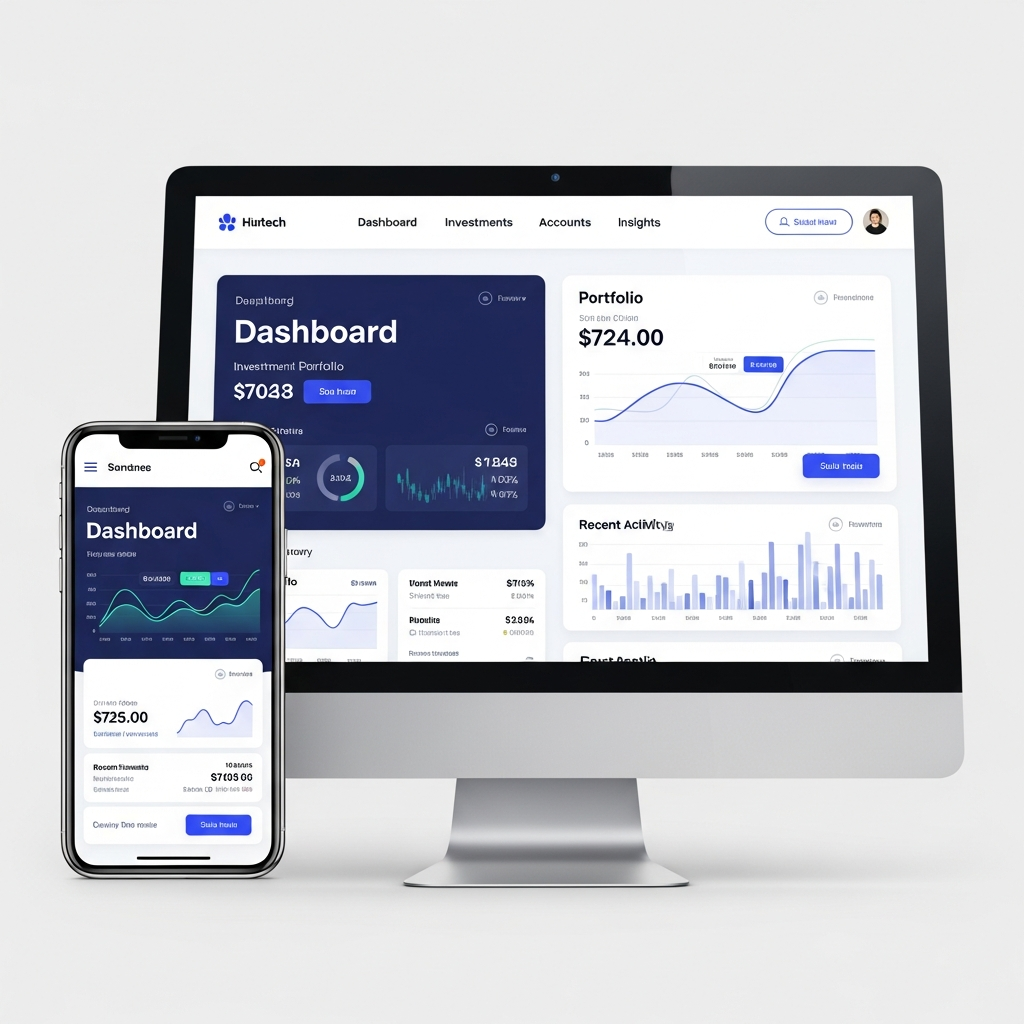
4. Fast, Mobile-Friendly User Experience
Over 70% of users access the internet primarily through mobile phones (GSMA, 2024).
If your website loads slowly or looks broken on mobile, you lose users immediately.
Essential UX requirements:
- Website loads in under 3 seconds
- Works perfectly on all phone screen sizes
- Simple navigation with clear buttons
- No horizontal scrolling needed
- Easy-to-read fonts (minimum 16px)
Google prioritises mobile-friendly websites in search rankings (mobile-first indexing guide).
Test your site speed with Google PageSpeed Insights or GTmetrix.
5. Social Proof and Trust Signals
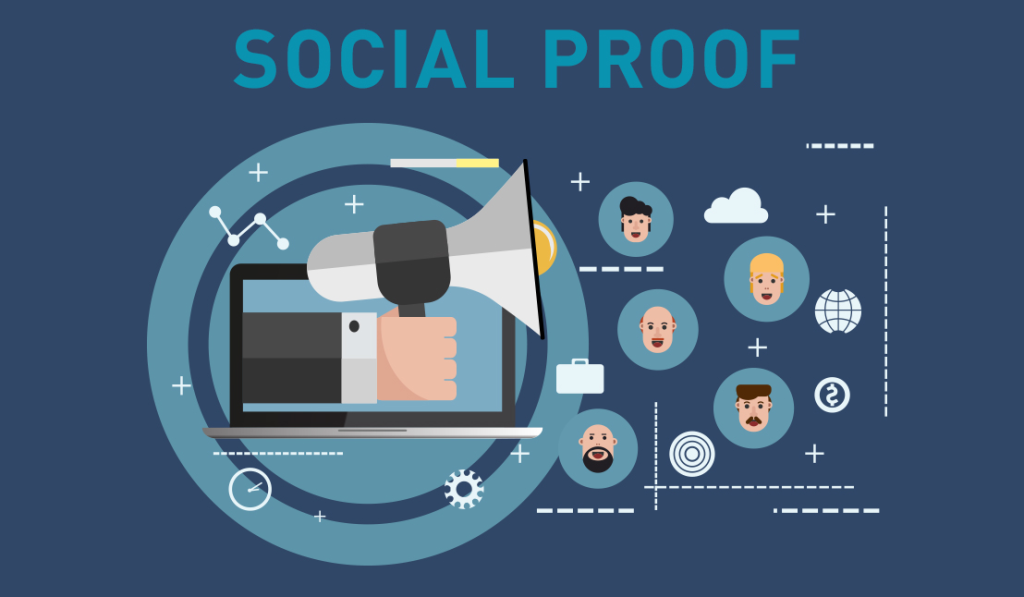
People trust what other people recommend.
Effective trust signals include:
- Real client testimonials with names and photos (not fake reviews)
- Partner logos (banks, payment providers, investors)
- Certifications and licenses are displayed clearly
- Media mentions or press coverage
- Case studies showing actual results
- Trust badges from recognised organisations
Even new startups can build credibility by showcasing:
- Beta user feedback
- Partnerships with established companies
- Team member credentials and LinkedIn profiles
FinTech example: Wise and Stripe both display logos and stats showing the scale of businesses and customers already using their platforms. This social proof works.
6. Educational Content That Builds Authority
HubSpot research shows that companies publishing educational content see 67% more leads (source).
When you teach users about finance, you build trust and position yourself as an expert.
Content ideas:
- Blog posts explaining financial concepts simply
- Video tutorials on using your platform
- Downloadable guides (budgeting, saving, investing basics)
- FAQ pages answering common concerns
- Calculators and interactive tools
Example: An investment app that publishes weekly articles on smart saving strategies builds far more trust than one focused only on selling.
Explore our latest insights on the blog.
7. Supportive Calls-to-Action (Not Pushy Sales)
Finance is sensitive. Aggressive sales language creates anxiety.
Instead of:
- “Invest Now!”
- “Buy Immediately”
- “Limited Time Only!”
Use:
- “Get started securely”
- “Speak with an advisor”
- “Learn how it works”
- “See if you qualify”
These softer calls-to-action respect the user’s need to feel comfortable before making financial decisions.
8. Ongoing Security Updates and Maintenance
People build trust over time, but they can destroy it in one day.
Regular maintenance includes:
- Security patches and software updates
- Fresh content (blog posts, updated policies)
- Working links (broken links look unprofessional)
- Current contact information
- Valid SSL certificates (they expire yearly)
Outdated websites signal abandonment or scam potential.
Common Trust Mistakes FinTech Sites Make
Mistake 1: Using only a Gmail address instead of a professional email Fix: Use yourname@yourcompany.com
Mistake 2: No physical address listed Fix: Show your registered office address
Mistake 3: Stock photos of generic, unrelatable models Fix: Use actual photos of your team
Mistake 4: Hiding fees until checkout Fix: Display all costs upfront
Mistake 5: No customer support visibility Fix: Add live chat, phone number, and email clearly
How Long Does It Take to Build a High-Trust Finance Website?
Timeline breakdown:
- Basic design and setup: 4-6 weeks
- Content creation and testing: 2-3 weeks
- Security and compliance review: 1-2 weeks
- Launch and monitoring: Ongoing
Costs vary by market: A professional, security-compliant FinTech website typically ranges from $5,000–$25,000+ USD (or the equivalent in CAD, EUR, or AED), depending on features, integrations, and compliance complexity.
Quick Trust Checklist for Finance Websites
Use this checklist to evaluate your site:
- HTTPS/SSL certificate active
- Mobile-friendly and fast loading
- Clear privacy policy and terms
- Visible security badges
- Real client testimonials
- Professional design with consistent branding
- Contact information is easy to find
- All fees are explained
- Educational content available
- Regulatory compliance displayed
Score 8+? Your site is on the right track. Score below 6? Immediate improvement is needed.
Tools and Resources for Building Trust
Security Tools:
- SSL Labs – Test your encryption
- Cloudflare – Free SSL and DDoS protection
- Wordfence – WordPress security plugin
Speed Testing:
- Google PageSpeed Insights
- GTmetrix
- Pingdom
Accessibility:
Compliance (US, Canada, EU & UAE):
- PCI Security Standards Council – Payment card compliance
- FinCEN – US financial crimes & AML guidance
- FINTRAC – Canada’s financial transactions regulator
- GDPR.eu overview – EU data protection requirements
- Dubai Financial Services Authority (DFSA) – UAE/Dubai financial regulation
Real Example: How Wise Builds Trust
Wise, one of the world’s most widely used international money-transfer platforms, is built almost entirely around visible trust signals — which makes it a useful model for any FinTech serving customers across the US, Canada, the EU, and Dubai/the UAE:
- Shows the real, mid-market exchange rate on every transfer, with no hidden markup
- Displays the exact fee upfront, before a customer commits to anything
- Publishes, in plain language, which regulator licenses it in each market — including the FCA in the UK, FinCEN in the US, the National Bank of Belgium for the EU, and, following a 2026 approval, the Central Bank of the UAE for Dubai and the wider Emirates
- Surfaces independent Trustpilot reviews directly alongside its marketing pages, rather than only curated testimonials
- Explains clearly how customer funds are safeguarded and which partner banks hold them
Result: Wise now serves more than 15 million customers worldwide and moves tens of billions of dollars every quarter, backed by a regulatory footprint of 70+ licenses globally. It’s proof that radical transparency about fees, rates, and regulation is a growth strategy — not just a compliance checkbox.
Frequently Asked Questions
Why is trust so important for finance websites?
Users share sensitive data and money. Without trust, they won’t sign up, invest, or return. Trust directly impacts conversion rates and customer lifetime value.
What makes a finance website look trustworthy?
Professional design, visible security measures, clear communication, real testimonials, and excellent mobile experience. All working together consistently.
Do small FinTech startups need professional web design?
Yes, credibility is essential for competing with established banks and international platforms. Poor design signals poor service.
Is mobile design really that important for finance sites?
Absolutely. Over 70% of users access financial services on mobile devices. A broken mobile experience means lost customers.
Can blog content actually build trust?
Yes. Educational content shows expertise, helps users make informed decisions, and improves search rankings. Companies with blogs generate 67% more leads.
What security certificates do I need?
At minimum: an SSL/HTTPS certificate and PCI DSS compliance for handling card payments. Beyond that, requirements depend on where your customers are — GDPR in the EU, PIPEDA in Canada, applicable US state privacy laws, and DFSA or Central Bank of UAE requirements if you’re operating out of Dubai.
Conclusion
Building a high-trust finance website requires more than good looks. It needs professional branding, strong security, honest communication, excellent user experience, social proof, and helpful content, all working together.
For FinTech companies and financial brands serving the US, Canada, the EU, and the UAE, trust is your most valuable digital asset. When your website clearly shows you’re legitimate, secure, and customer-focused, users choose you over competitors.
The best finance websites are the ones people immediately recognise as safe and trustworthy.
Start with the checklist above. Fix the obvious gaps first. Then focus on ongoing improvements that build confidence over time.
Ready to Build a High-Trust Finance Website People Actually Trust?
We help FinTech startups and financial brands create secure, credible, and high-converting websites.
What you get:
- Professional design that builds instant credibility
- Complete security setup and compliance
- Mobile-optimised experience
- Clear messaging that converts visitors
- Ongoing support and updates
Contact us today to start building a website your users can truly trust.